
Episode 4: Gentrification in the Bay Area
Listen Now | VOC Producers | Share | Transcript | Donate
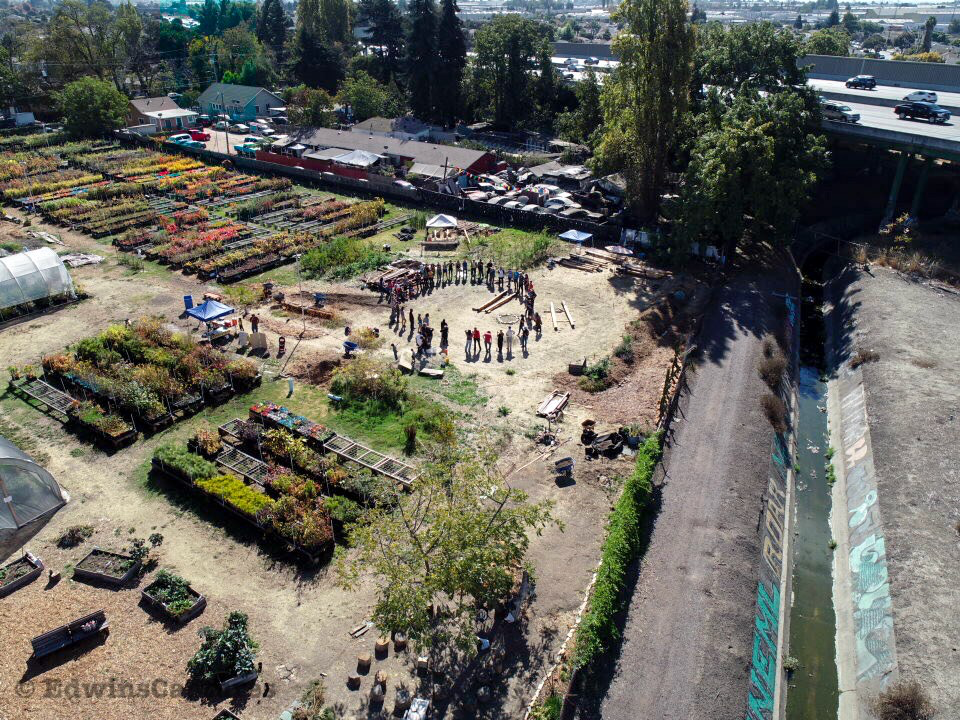
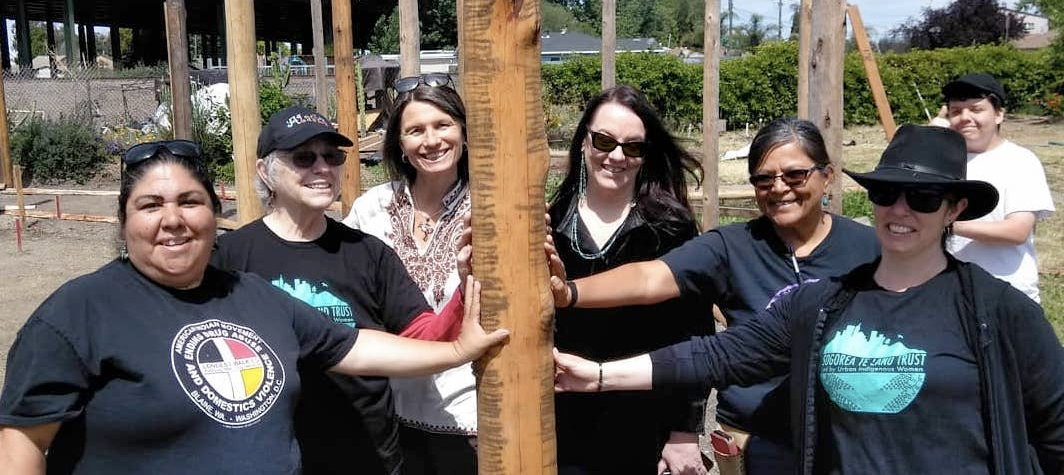
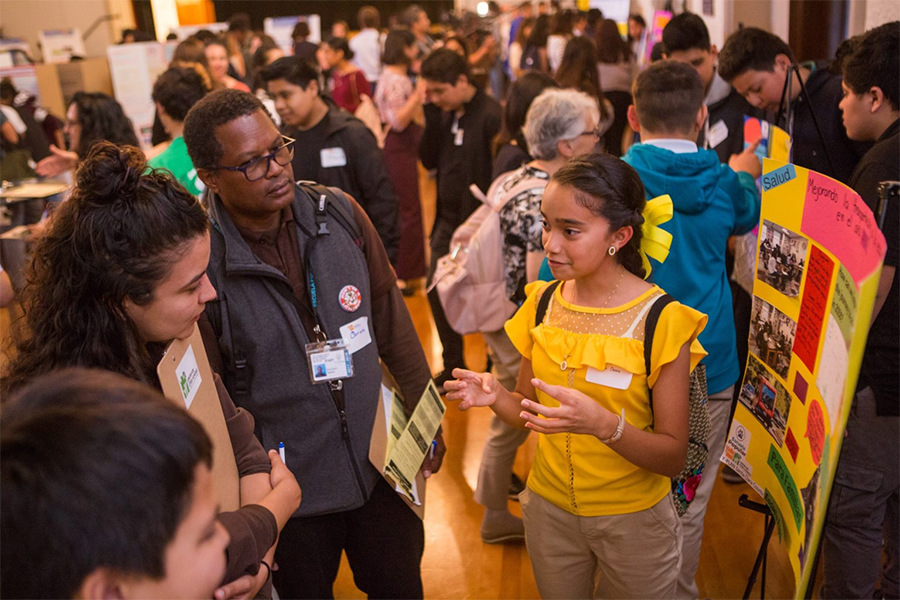
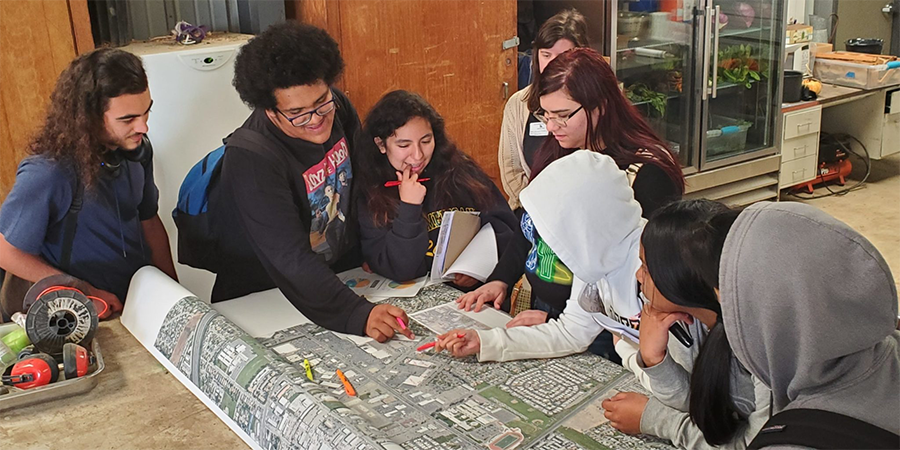
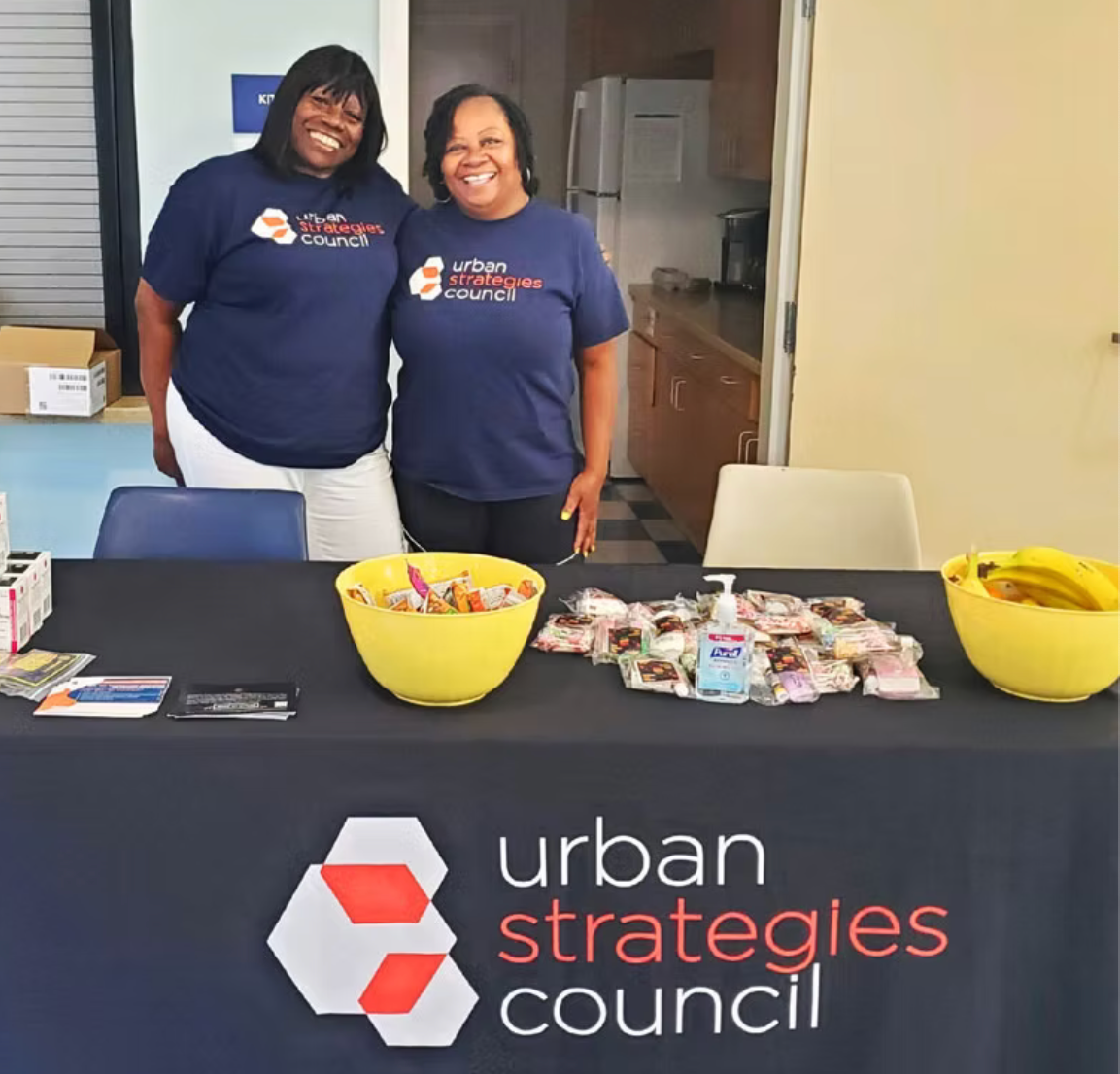
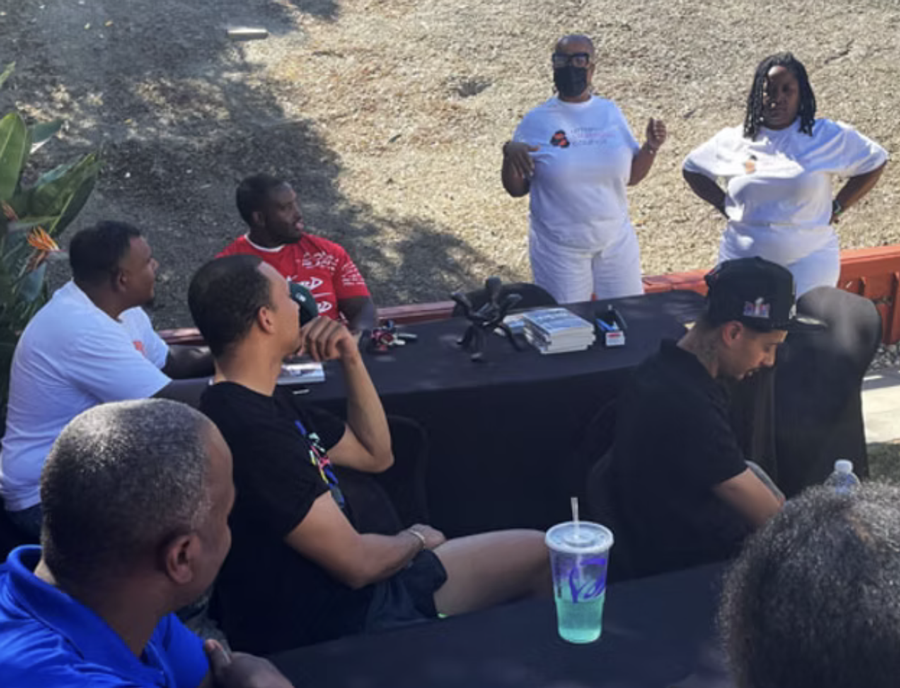
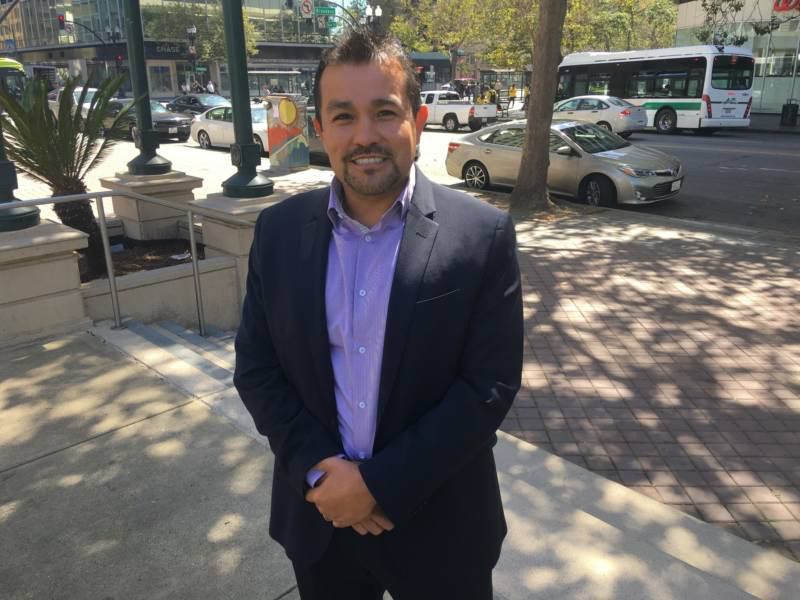
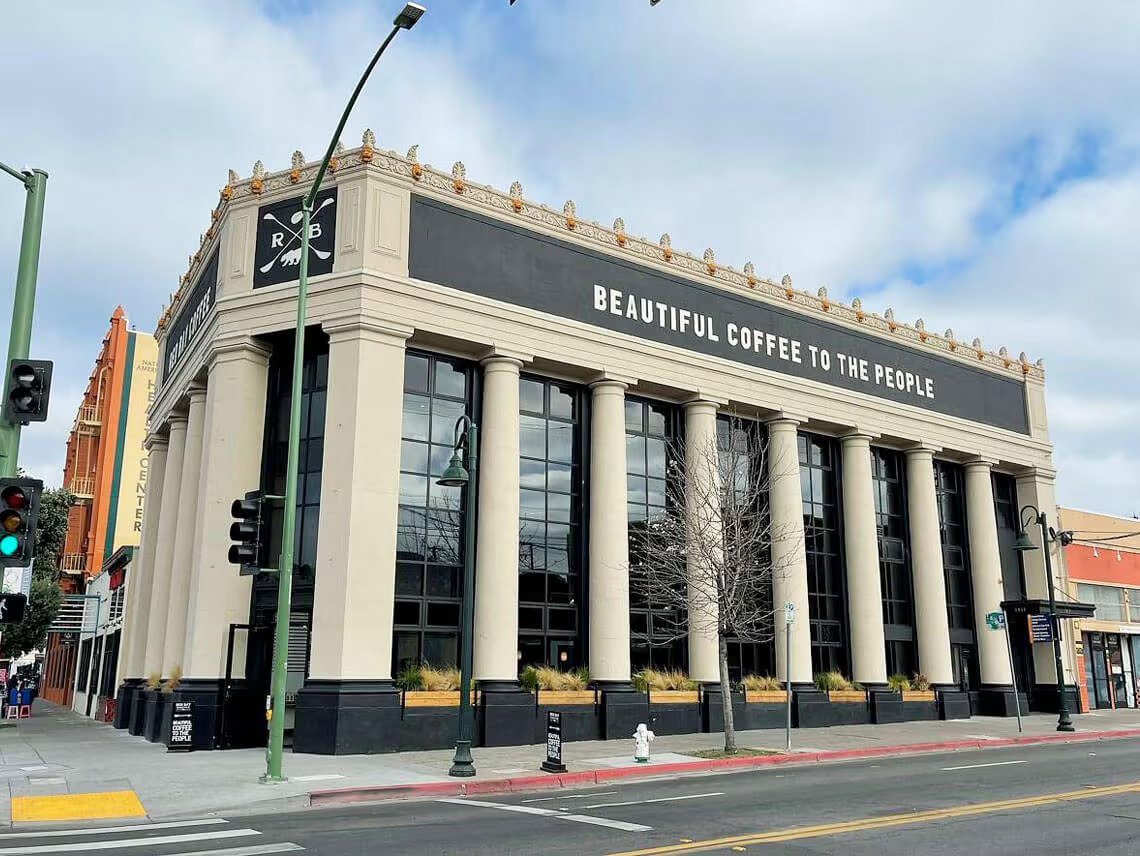
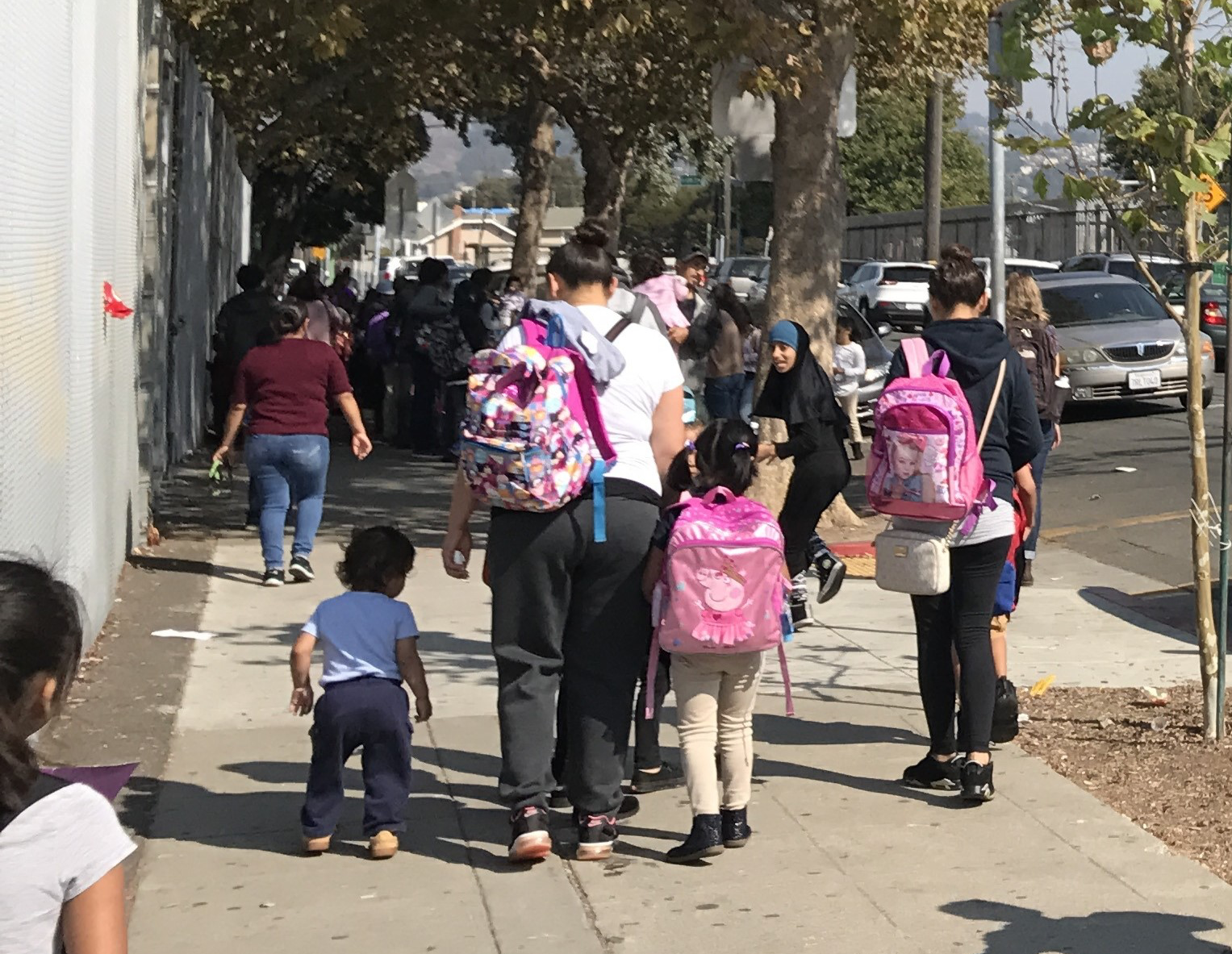
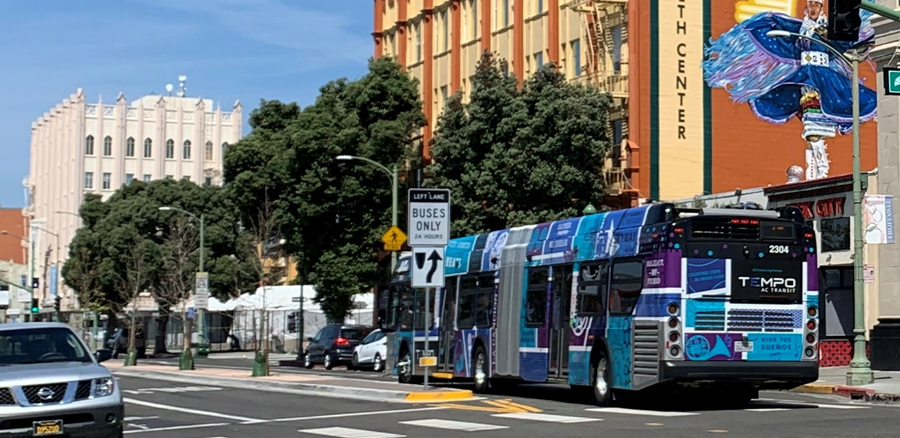
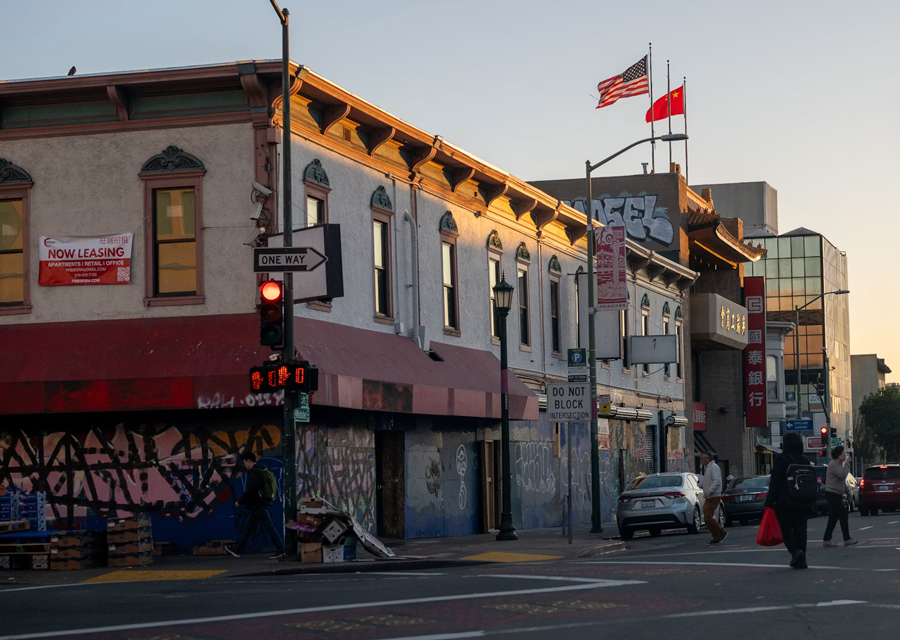
Photo Credits: Sogorea Te website, Center for Cities + Schools website, Urban Strategies website, Robinson Kuntz KQED, The Red Bay Coffee Company website, City of Oakland website
Listen to this episode:
Stay updated on future episodes by subscribing to Voices of the Community on Apple Podcast, Spotify, and YouTube, or where ever you listen to your podcasts



"In fact, I know people don't like to say it or, or hear it, but in some respects and in some neighborhoods in the city, we have lost the displacement battle. We have essentially lost it.”
—Junious Williams
In this episode, we discuss gentrification in the Bay Area, it's easy to focus on the numbers, the rising costs, the changing neighborhoods, and the shifting demographics. But behind those trends are real communities, long-standing local businesses, and families who have called these places home for generations. We're exploring how we can support and sustain these communities. We discuss thoughtful urban planning, community partnerships, and ways to give local residents a voice in shaping their communities.
José Corona — Former Director of Equity and Strategic Partnerships from the Office of Mayor Libby Schaaf, City of Oakland
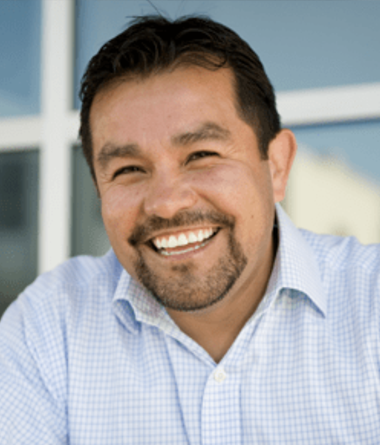
Raised in California’s agricultural heartland and a proud son of family farmers, José brings decades of cross-sector leadership to his current role as Chief Agriculture Innovation Officer with the Office of Kat Taylor. His work is rooted in a deep belief in community-led systems change, supporting grassroots investment platforms that build economic resilience in the Central Valley and beyond. Through his work, leading the Agricultural Platform Collective – a flagship initiative of the Office of Kat Taylor – he is helping advance the viability, visibility, and leadership of underrepresented producers through market, land and capital access.
Before joining the Office of Kat Taylor, José founded Rebozo Ventures—a consultancy grounded in humility, compassion, honor, and respect – supporting leaders and organizations in growing revenue and maximizing impact. He previously led grantmaking and partnerships at Stephen and Ayesha Curry’s Eat. Learn. Play. Foundation, served as CEO of Inner City Advisors (now ICA.fund), and was appointed Director of Equity and Strategic Partnerships under Oakland Mayor Libby Schaaf, where he co-founded the Oakland Fund for Public Innovation.
José is an Aspen Fellow, a Ricardo Salinas Scholar, and currently serves as Board Chair of The Unity Council. He also sits on the boards of California FarmLink and the Oakland Museum of California.
Corrina Gould — Co-organizer, Indian People Organizing for Change
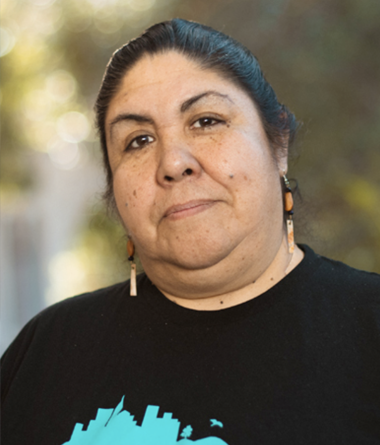
(Ohlone) Corrina Gould is the tribal spokesperson for the Confederated Villages of Lisjan. Born and raised in her ancestral homeland, the territory of Huchiun, she is the mother of three and grandmother of four. Corrina has worked on preserving and protecting the sacred burial sites of her ancestors throughout the Bay Area for decades.
Junious Williams — CEO of Urban Strategies Council
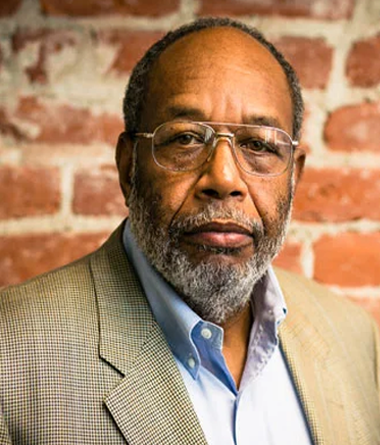
Junious Williams is the principal and owner of Junious Williams Consulting, Inc. (JWC) a consulting firm specializing in research, policy and program development on issues of equity and social justice. Prior to forming JWC, Mr. Williams served as President and CEO of Urban Strategies Council, a social impact organization using research, policy, collaboration, innovation and advocacy to achieve social change. He joined the Council in 1992 and served as CEO from 1998 through 2016. He holds a Juris Doctorate in Law and a Bachelor’s degree in sociology from the University of Michigan.
In addition to private law practice in Ann Arbor and Detroit, Michigan, his career includes founding the Saginaw Student Rights Center and co-founding the Ann Arbor Student Advocacy Center. He worked on school desegregation, education equity and student discipline as Associate Director of the Programs for Educational Opportunity at the University of Michigan’s School of Education. He also served as Executive Director of Student Attendance and Discipline for the Detroit Public Schools and as an Associate professor of Ethnic Studies at CSU, Fresno.
He has worked on community building and development, workforce and economic development efforts in the Bay Area including negotiating landmark community benefits agreements on major development projects in Oakland and San Francisco.
He is co-founder and Board Chair of the Oakland Community Land Trust. Other current service includes service as Board Chair for the Center for Law and Education and board member for the National Trust for the Development of African American Men. Previously he served on the Union Bank Community Advisory Board, the National Community Building Network Board of Directors, and the Steering Committees for the National Neighborhood Indicators Project, Oakland Reads 2020 and the Oakland and the Bay Emerald Cities Collaboratives, a national effort aimed at large-scale urban building energy retrofit with high road employment opportunities.
Deborah McKoy — Executive Director of the Center for Cities and Schools
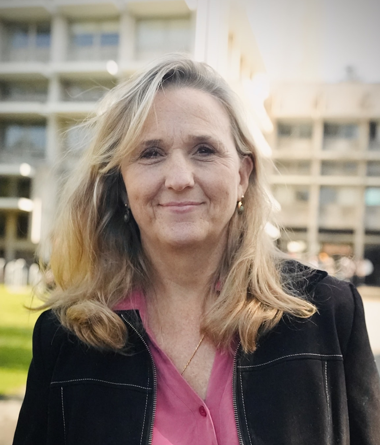
Deborah L. McKoy (she/her) is a Research Professor in the Department of City and Regional Planning at UC Berkeley and the Executive Director and Founder of the UC Berkeley Center for Cities + Schools within the Institute of Urban and Regional Development. With over two decades of experience at the intersection of research, policy, and practice, Deborah has held a range of leadership roles, including Consultant to the U.S. Department of Housing and Urban Development (HUD), Chief of Economic Development at the NYC Housing Authority, Director of Refugee Services at CAMBA (a NYC-based non-profit), and Consultant to the United Nations Education for All initiative.
Deborah McKoy is the author of numerous articles and reports published in academic and peer-reviewed journals, and her teaching and scholarship have earned several awards, particularly for her development of the Y-PLAN (Youth – Plan, Learn, Act, Now) civic engagement methodology. She is the co-author of the book Planning Cities with Young People and Schools: Forging Justice and Generating Joy (Routledge Press), which has been widely praised for its innovative approach to urban planning and youth engagement.
City of Oakland
MISSION STATEMENT: The City Of Oakland Is Committed To The Delivery Of Effective, Courteous, And Responsible Service. Citizens And Employees Are Treated With Fairness, Dignity, And Respect.
Civic And Employee Pride Are Accomplished Through Constant Pursuit Of Excellence And A Workforce That Values And Reflects The Diversity Of The Oakland Community.
The Oakland Fund was formed to connect the city’s already existing genius to sustainable systems. Our city government and nonprofit sectors cannot solve complex challenges alone, and since inception, The Oakland Fund has stepped in as a convener of ideas, resources, and changemakers, aligning public, philanthropic, and community action to move solutions forward.
Our collaborations across private and public sectors pilot new ideas and scale proven ones to create measurable change. From keeping Oaklanders housed, to mobilizing resources during COVID-19 for trusted community partners, to funding small businesses, and partnering with artists and city leaders to reimagine how Oakland works, these catalytic initiatives are core to our work.
The Oakland Fund continues to pioneer, optimize, and amplify strategies that keep the city safer, root ited in culture, and engineer a place of opportunity and abundance across every part of Oakland.
https://www.oaklandca.gov/Community/Race-Equity-in-Oakland/Social-Equity-and-the-City-of-Oakland
Indian People Organizing for Change
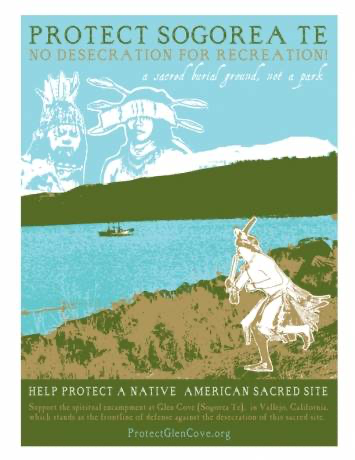
IPOC was created in 1999 with a grant from the Catholic Campaign for Human Development (LaRose). The Community Mobilization Project and the Bay Area Native American community were the primary actors behind the formation of IPOC. IPOC directly addresses the long history of appropriation and destruction of Native American land, culture, means of self-governance, and general way of life, compounded with relocation initiatives imposed by the federal government. The goal of IPOC from the beginning has been to strengthen the connection between American Indians and their traditional culture(s) in ways which fulfill the need to belong to an affirming community (Gould). The organization operates upon the theory that once the needs of a community are met, the community becomes self-sufficient and is then able to support other communities in organizing (Gould).
In 2011 the IPOC joined Wounded Knee DeOcampo and others in 109 day occupation of Sogorea Te’ village site. Organizing with the local Indigneous community resulted in halting the City of Vallejo’s plans to redevelop the grounds of Sogorea Te’ into a recreational public park. The organizing for sacred land preservation was and continues to be one way in which IPOC works towards achieving these goals.
https://www.foundsf.org/Indian_People_Organzing_for_Change_(IPOC)_and_the_Sogorea_Te_Occupation
Urban Strategies Council
The Urban Strategies Council works together to expand their reach throughout the Bay Area by transforming low-income neighborhoods into vibrant, healthy communities.
They envision a society built on a strong and vibrant multiracial democracy where all people thrive.
Founded as a non-profit in 1987, the Council works with stakeholders in low-income communities of the Bay Area. They envision vibrant, thriving communities where poverty is no longer a systemic barrier to opportunity. By leveraging evidence-based research, deep community partnerships, cross-sector collaboration, and innovative policy solutions, they work toward lasting change to eliminate urban poverty. With the support of visionary funders and local change-agents, they transform projects into scalable impact to build stronger, more inclusive communities with sustainable futures.

Center for Cities + Schools
In 2000, Deborah McKoy introduced a unique, community engagement studio course, in the University of California, Berkeley’s Department of City and Regional Planning (DCRP), called Y-PLAN (Youth – Plan, Learn, Act Now). Inspired by her work with youth in public housing communities, she designed the course to connect college students, planning professionals, and young people from marginalized communities to collaboratively tackle real-world challenges in their cities. The experience had a transformative effect, inspiring participants to re-imagine both their surroundings and the policy-making process.To build on Y-PLAN’s early successes and create a home for youth-centered research, Deborah McKoy and Jeff Vincent launched the Center for Cities + Schools (CC+S) in 2004 at the University of California, Berkeley. Interdisciplinary by nature, CC+S is housed in Berkeley’s Institute of Urban and Regional Development and has partnerships with Berkeley’s School of Education and the College of Environmental Design.
Over the past 20 years, the Center has greatly expanded its Y-PLAN efforts, conducted extensive research on public school facilities, and created a robust research program for UC Berkeley graduate student fellows. Looking to the future, the CC+S has begun investigating new topics: policies affecting unhoused students, workforce housing for K-12 educators, and healthy food options in public schools.
Subscribe to the Voices of the Community newsletter to stay updated on future episodes and issues that matter
““So you go to these inner city neighborhoods, you talk to these kids and they wanna be a coder. But do you have the talent to be a coder? And by the way, do you know that in technology only 25% of the coding jobs are actually taking technology. So what about finance? What about operations? What about HR?”
Thanks to our CoProduction Partner
KCSF Radio is the student-operated radio station of City College of San Francisco (CCSF), functioning as a core component of the Broadcast Electronic Media Arts Department. Was broadcasting at 90.9 FM and is now streaming only online via platforms like TuneIn, KCSF serves as both a training ground for aspiring media professionals and a vibrant community radio voice. The station emphasizes being "Your Community, Your Radio," offering commercial-free, student-driven content in music, news, sports, and public affairs.

Donate to Voices of the Community
We are fiscally sponsored by Intersection for the Arts, a 501(c)(3) nonprofit organization, which allows us to offer you tax deductions for your contributions. Please consider making a donation to help us provide future shows just like this one. If you want to send us a check, please make checks payable to Intersection for the Arts and write [Voices of the Community] in the memo line of your check. This ensures that you’ll receive an acknowledgement letter for tax purposes, and your donation will be available for our project.

1446 Market Street | San Francisco, CA 94102 | (415) 626-2787
This has been an Alien Boy Production.

All Rights Reserved ©2014-2026