
Episode 2: Bridging the Digital Divide Reimagined
Listen Now | VOC Producers | Share | Transcript | Donate | Resources


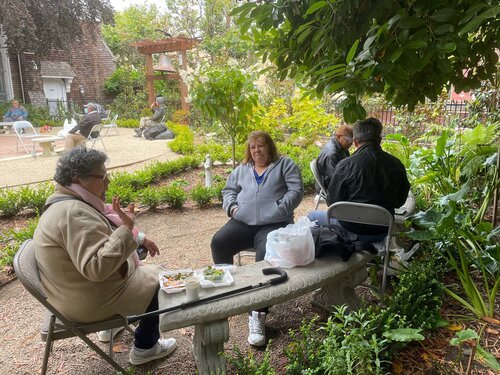

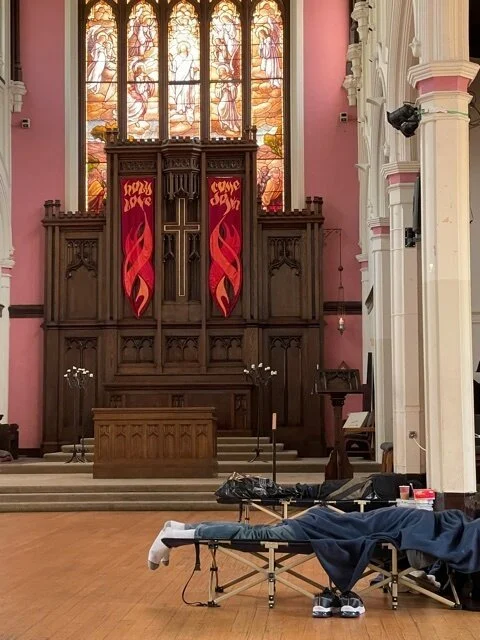


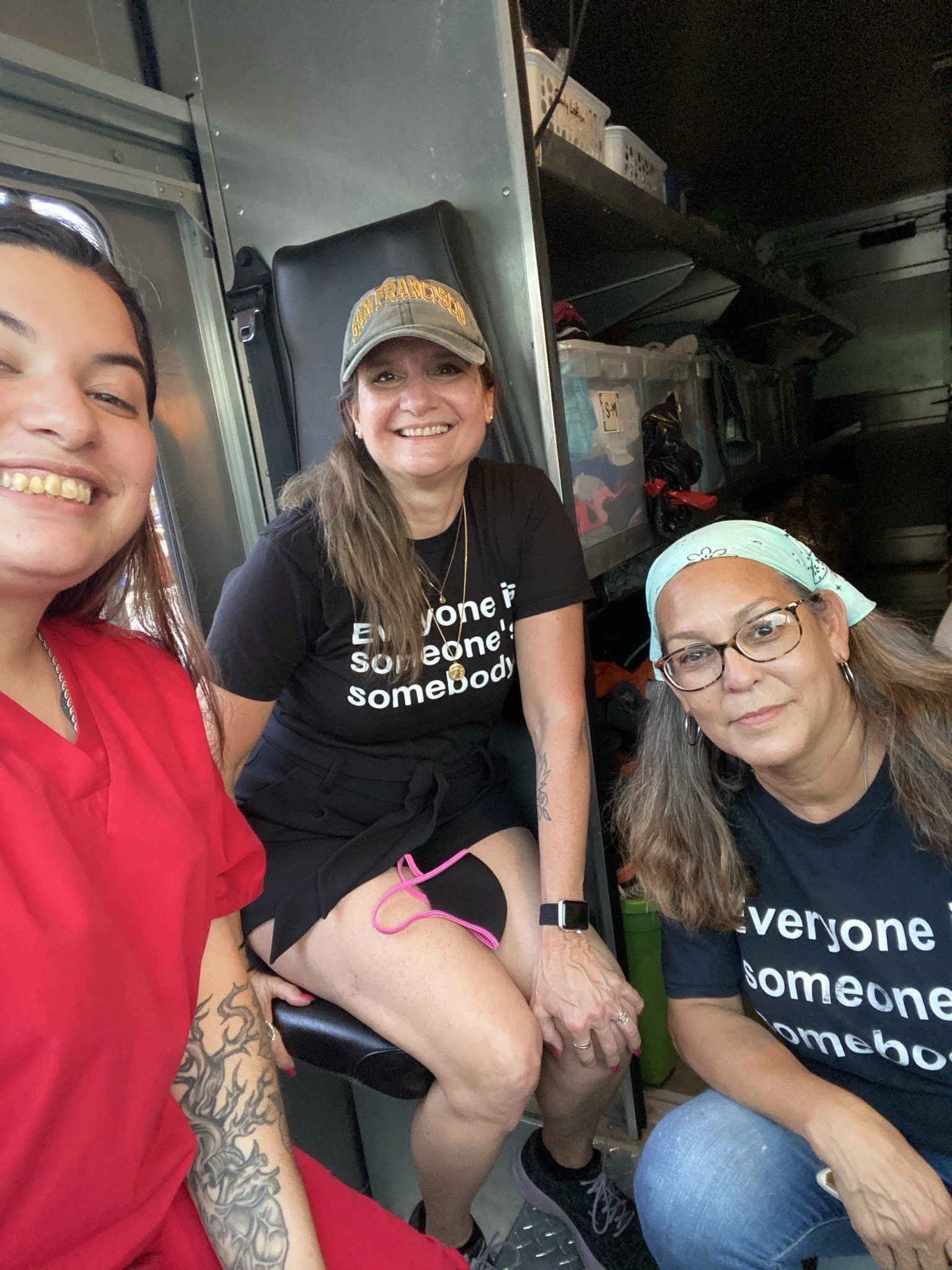


Event Images courtesy of Sloan Larsen Event Photography www.sloanelarsen.com all other images courtesy of our panelists and their organizations
Listen or watch this episode:
Stay updated on future episodes by subscribing to Voices of the Community on Apple Podcast, Spotify, and YouTube, or where ever you listen to your podcasts



"Our philosophy is simple: without rest, there is no healing. We open our doors so that people can have a safe space to rest, restoring a basic dignity often lost on the streets.”-
Lorem ipsum dolor sit amet, consectetur adipiscing elit, sed do eiusmod tempor incididunt ut labore et dolore magna aliqua. Ut enim ad minim veniam, quis nostrud exercitation ullamco laboris nisi ut aliquip ex ea commodo consequat. Duis aute irure dolor in reprehenderit in voluptate velit esse cillum dolore eu fugiat nulla pariatur. Excepteur sint occaecat cupidatat non proident, sunt in culpa qui officia deserunt mollit anim id est laborum.
Kami Griffith-Executive director, Community Tech Network
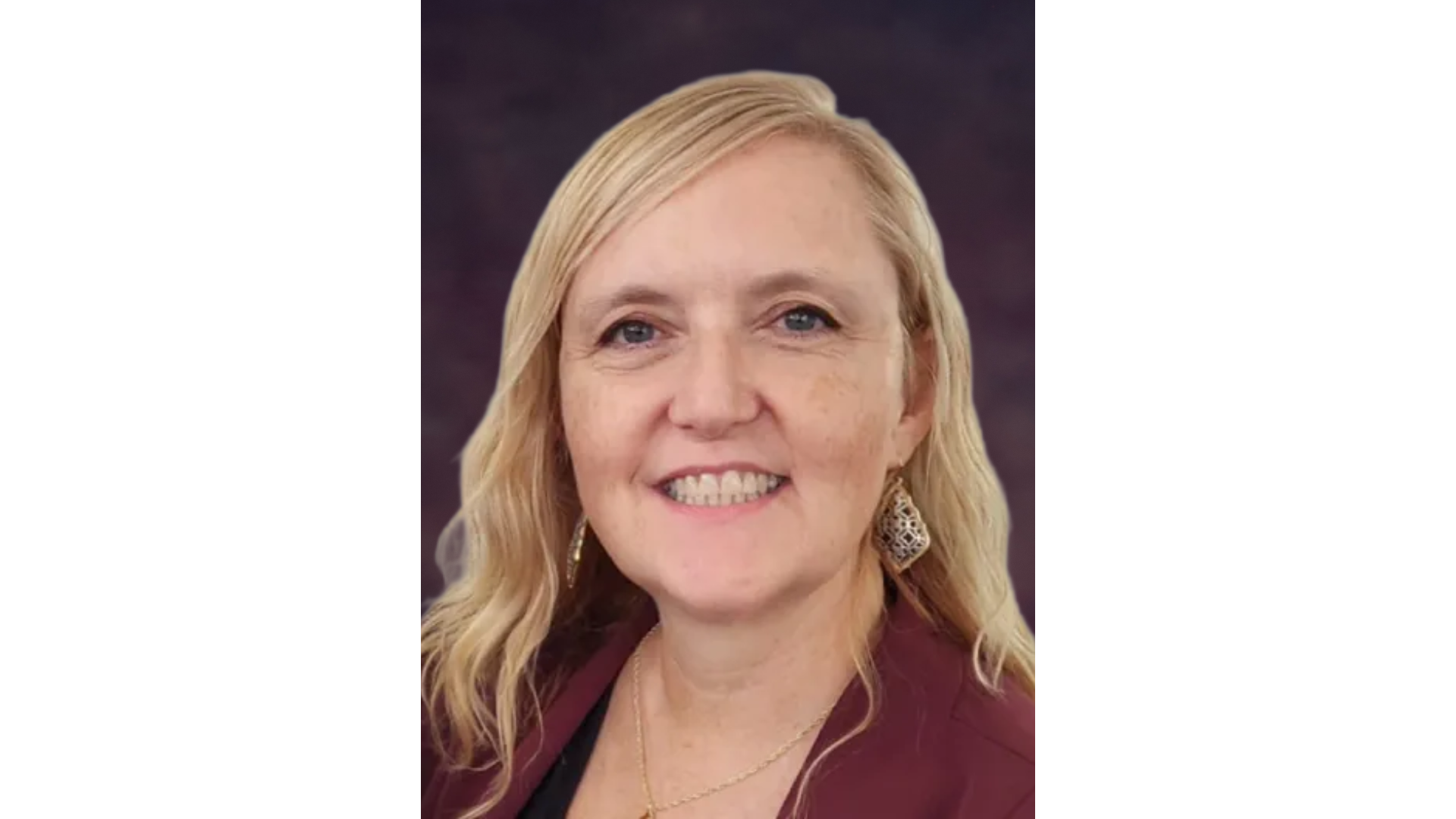
Kami Griffiths is the executive director and co-founder of Community Tech Network, a nonprofit with the mission to transform lives through digital literacy. With over 15 years of experience working in the public sector, Kami has developed a passion for helping people gain access and better utilize technology, after witnessing firsthand how the digital divide and low literacy levels were aiding the cycle of poverty. She has worked for the City of New York Department of Parks & Recreation, managing 27 public access computing centers, teaching computer classes and establishing their volunteer trainer program. As the Training and Outreach Manager for TechSoup Global, Kami greatly expanded her knowledge and understanding of the nonprofit technology field, having conducted over 200 interviews with librarians and producing over 100 webinars. She is a founding member of the National Digital Inclusion Alliance (NDIA) and speaks nationally about digital inclusion.
Kevin Cohen-Technology trainer, Community Tech Network
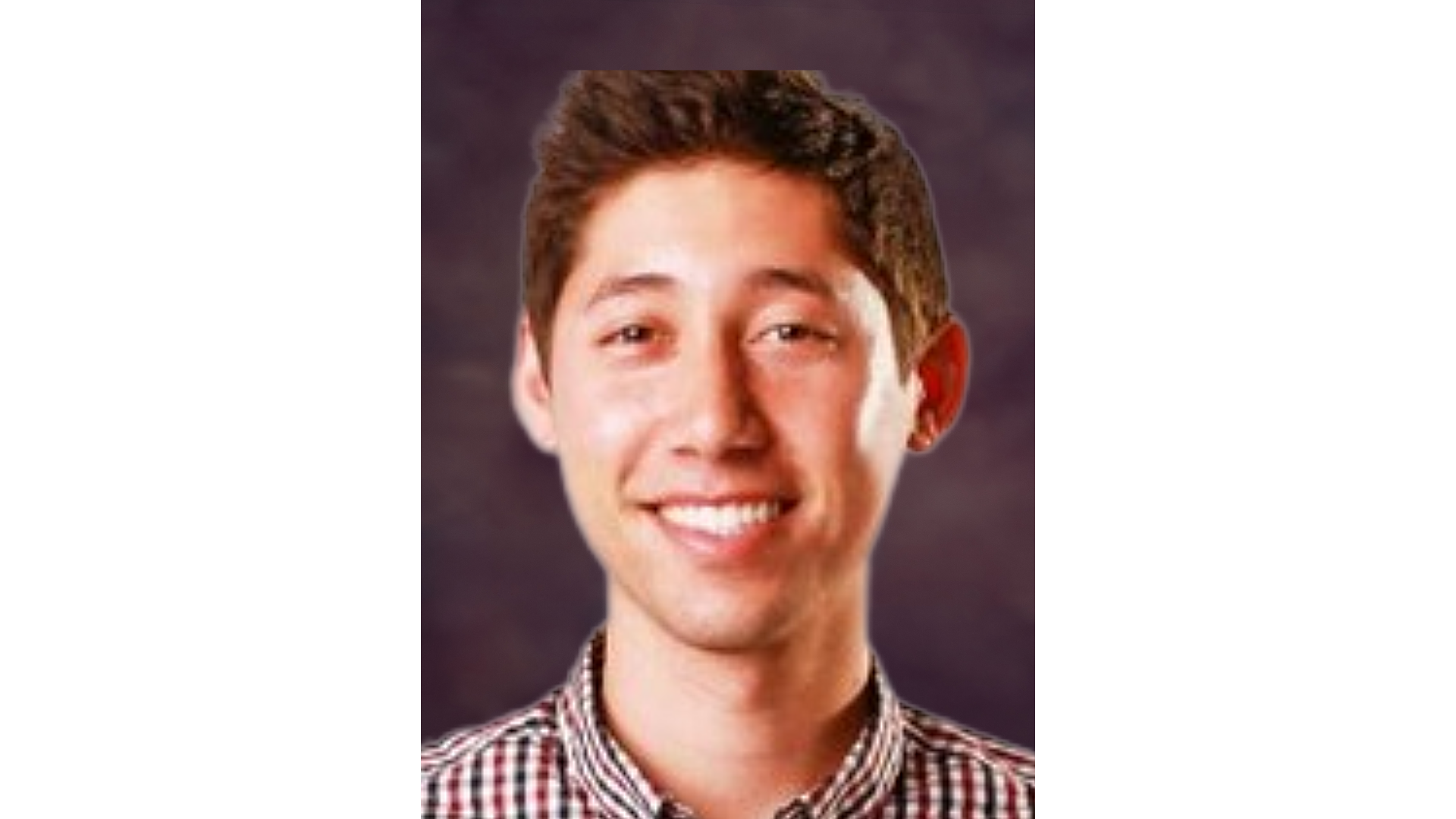
Erica Kisch celebrated her 30-years anniversary with Compass and has served as Chief Executive Officer for the past twenty-two years. Before coming to Compass, Ms. Kisch worked with teenage boys in residential treatment and then went on to found the Homeless Children’s Network in 1992, which continues to provide clinical services and advocacy to San Francisco’s homeless children and their families. Ms. Kisch holds a Master of Social Welfare degree from the University of California at Berkeley and has been a Licensed Clinical Social Worker since 1993.
Jose Mutan-Community Tech Networks recipient, Raphael House

Lydia Bransten has been a dedicated advocate for the homeless community in San Francisco for many years. As the Executive Director of The Gubbio Project, she has played a crucial role in providing a safe and welcoming space for unhoused individuals to rest during the day. Under Lydia's leadership, The Gubbio Project has become a beloved institution in the city, known for its compassionate approach to supporting some of the most vulnerable populations. Lydia has been vocal about the challenges faced by people experiencing homelessness, emphasizing the need for stability and dignity in their lives. Lydia envisions a future where the most vulnerable populations in San Francisco receive the stability and dignity they deserve. She believes that people experiencing homelessness are often an afterthought in society and aims to change that by providing a safe and welcoming environment at The Gubbio Project.
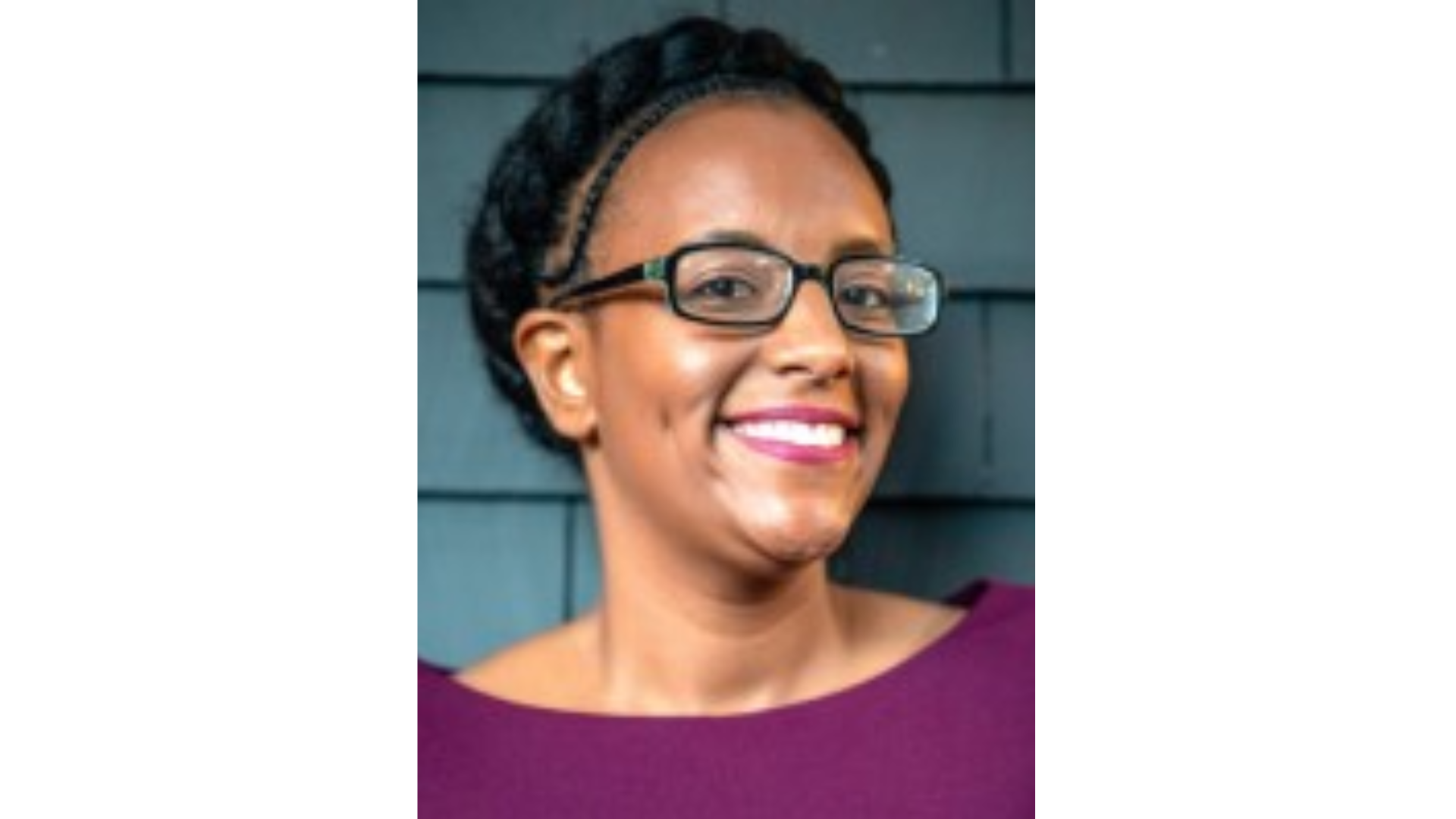
Sophia Selase, career development manager at Raphael House.
Community Tech Network gained its 501(c)3 nonprofit status and became an independent nonprofit organization in 2008 with grant support from the Full Circle Fund.
However, our origins can be traced back to 2001, when we started as a program of TechSoup (then called CompuMentor) to address a rapidly growing need for public digital literacy training. In 2007, our role was reviewed in a community survey, the results of which clearly indicated an ongoing need for CTN’s digital literacy work, and the transition to charitable status was made.
Back in 2008, when CTN became a nonprofit, Twitter was just a fledgling social media experiment, Facebook had barely begun its rise to world dominance, and Instagram wasn’t even a twinkle in its creator’s eye. Twelve years later, the internet is central to everyday life and access to it has become a right, not a privilege
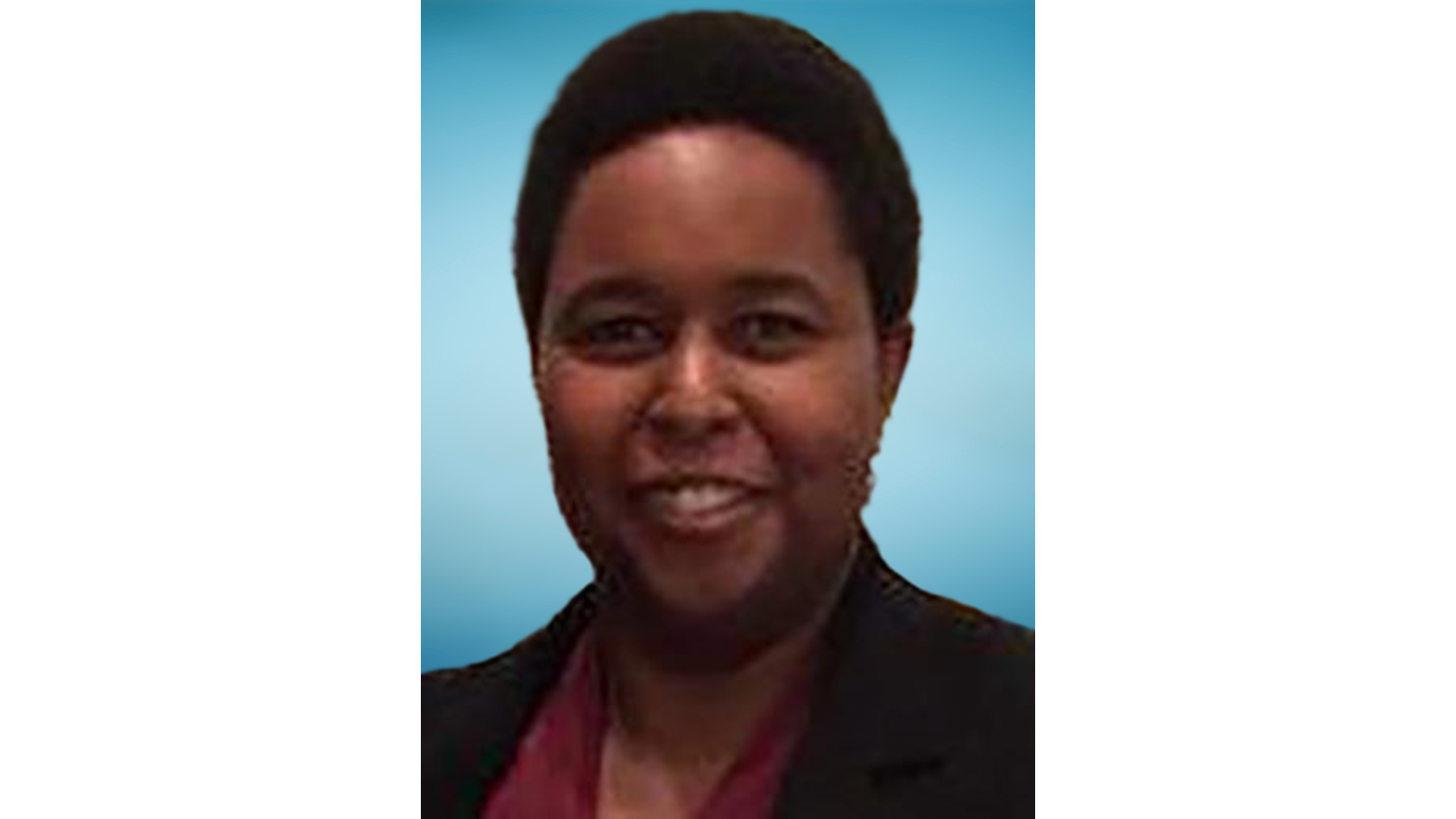
Carla Mays-Advisor & strategist, Mays Civic Innovation.
Community Tech Network gained its 501(c)3 nonprofit status and became an independent nonprofit organization in 2008 with grant support from the Full Circle Fund.
However, our origins can be traced back to 2001, when we started as a program of TechSoup (then called CompuMentor) to address a rapidly growing need for public digital literacy training. In 2007, our role was reviewed in a community survey, the results of which clearly indicated an ongoing need for CTN’s digital literacy work, and the transition to charitable status was made.
Community Tech Network
Community Tech Network gained its 501(c)3 nonprofit status and became an independent nonprofit organization in 2008 with grant support from the Full Circle Fund.
However, our origins can be traced back to 2001, when we started as a program of TechSoup (then called CompuMentor) to address a rapidly growing need for public digital literacy training. In 2007, our role was reviewed in a community survey, the results of which clearly indicated an ongoing need for CTN’s digital literacy work, and the transition to charitable status was made.
Back in 2008, when CTN became a nonprofit, Twitter was just a fledgling social media experiment, Facebook had barely begun its rise to world dominance, and Instagram wasn’t even a twinkle in its creator’s eye. Twelve years later, the internet is central to everyday life and access to it has become a right, not a privilege.
During these 12 years, CTN grew from one volunteer Program Manager and a handful of helpers to an organization of over a dozen staff, 60 active volunteers and 50 partner locations. It also spread its sphere of influence beyond San Francisco to the wider Bay Area. and to Central Texas. Today, CTN is led by an active and diverse Board of Directors comprising community leaders, business leaders, and technology advocates from local nonprofits in both the San Francisco and Austin areas.

Raphael House
The mission of Raphael House is to help low-income families and families experiencing homelessness strengthen family bonds by achieving stable housing and financial independence.
Since 1971, Raphael House has been at the forefront of providing homeless and low-income families in the San Francisco Bay Area personalized family-centered solutions to build brighter, independent futures. Raphael House is a 100% community-supported organization. Our success rate is unmatched: more than 85% of all Raphael House families go on to achieve long-term stable housing and financial independence.
At Raphael House, we see homelessness as a temporary state that doesn’t define a person. We understand that homelessness can result from unexpected circumstances, whether economic, health-related, or because of a breakdown in family structure. We provide families an opportunity to take ownership of their futures and improve the quality of their lives through a nurturing and supportive process that emphasizes the importance of strong families and personal dignity.
Today, our stable home-like Residential Shelter provides families of all types a warm and safe family-centered community. Each family is provided with their own residential room, daily nutritious meals, and clothing. While at Raphael House, parents participate in a wide range of services that strengthen the whole family as they work toward achieving long-term stable housing and financial independence.
Children in our program receive services that support—and engage their parents in supporting—healthy emotional and academic development. Once families move on from Residential Shelter they have access to an extensive continuum of support through our Bridge Program.
Through our Bridge Program, we are committed to helping families reach and maintain long-term stability by supporting them with the resources and connections they need to move beyond poverty. Families in our Bridge Program have access to a variety of services that help overcome barriers to maintaining housing and achieving financial stability. On average, more than 90% of families who actively participate in the Bridge Program maintain long-term housing and financial stability.
Raphael House provides thorough K-12 academic support to our children to help ensure they achieve and maintain success in school. We offer extensive academic tutoring, enrichment activities, scholarships for extracurricular pursuits, and mentoring throughout the school year for both the children and teens in our Residential Shelter Program and those we serve through our Bridge Program.

Subscribe to the Voices of the Community newsletter to stay updated on future episodes and issues that matter
“Compass Family Services supports over 10,000 parents and children yearly, helping families transition from homelessness to stability through a wide range of programs to achieve housing stability, economic self-sufficiency, and family well being”
Thanks to our CoProduction Partner
KCSF Radio is the student-operated radio station of City College of San Francisco (CCSF), functioning as a core component of the Broadcast Electronic Media Arts Department. Was broadcasting at 90.9 FM and is now streaming only online via platforms like TuneIn, KCSF serves as both a training ground for aspiring media professionals and a vibrant community radio voice. The station emphasizes being "Your Community, Your Radio," offering commercial-free, student-driven content in music, news, sports, and public affairs.
Donate to Voices of the Community
We are fiscally sponsored by Intersection for the Arts, a 501(c)(3) nonprofit organization, which allows us to offer you tax deductions for your contributions. Please consider making a donation to help us provide future shows just like this one. If you want to send us a check, please make checks payable to Intersection for the Arts and write [Voices of the Community] in the memo line of your check. This ensures that you’ll receive an acknowledgement letter for tax purposes, and your donation will be available for our project.

1446 Market Street | San Francisco, CA 94102 | (415) 626-2787
This has been an Alien Boy Production.

All Rights Reserved ©2014-2024